- loyalty
- small business
- self-employed
- sales
- points programme
How loyalty programmes can increase your business's sales by up to 30%

There’s a question every self-employed person and small shop owner asks before closing the month: why do some customers come back while others disappear for good?
The answer usually isn’t price. Or product quality. It’s something subtler: the feeling that this business remembers them, values them and gives them a reason to return.
That, in essence, is what a loyalty programme does. And the data leaves little room for doubt.
What the numbers say
Frederick Reichheld, a Bain & Company consultant and a global authority on customer loyalty, showed decades ago something that still holds true today: acquiring a new customer costs between 5 and 7 times more than keeping an existing one. Advertising, welcome discounts, staff time… it all comes at a price.
But the figure that really changes the picture is this: a 5% increase in customer retention can translate into a 25% to 95% increase in profits, according to the same research published in Harvard Business Review.
That’s not magic. It’s basic maths: a returning customer spends without you having to convince them from scratch. And they come back with a bigger basket.
According to Bond Brand Loyalty’s annual report — one of the most comprehensive studies of loyalty programmes — loyalty programme members spend between 12% and 18% more per year than non-members. And 77% of consumers say a loyalty programme makes them more likely to keep buying from that business rather than a competitor.
Applied to a local business turning over €8,000 a month: if your regulars spend just 15% more, that’s an extra €1,200 without spending a single euro more on advertising.
The mistake almost every small business makes
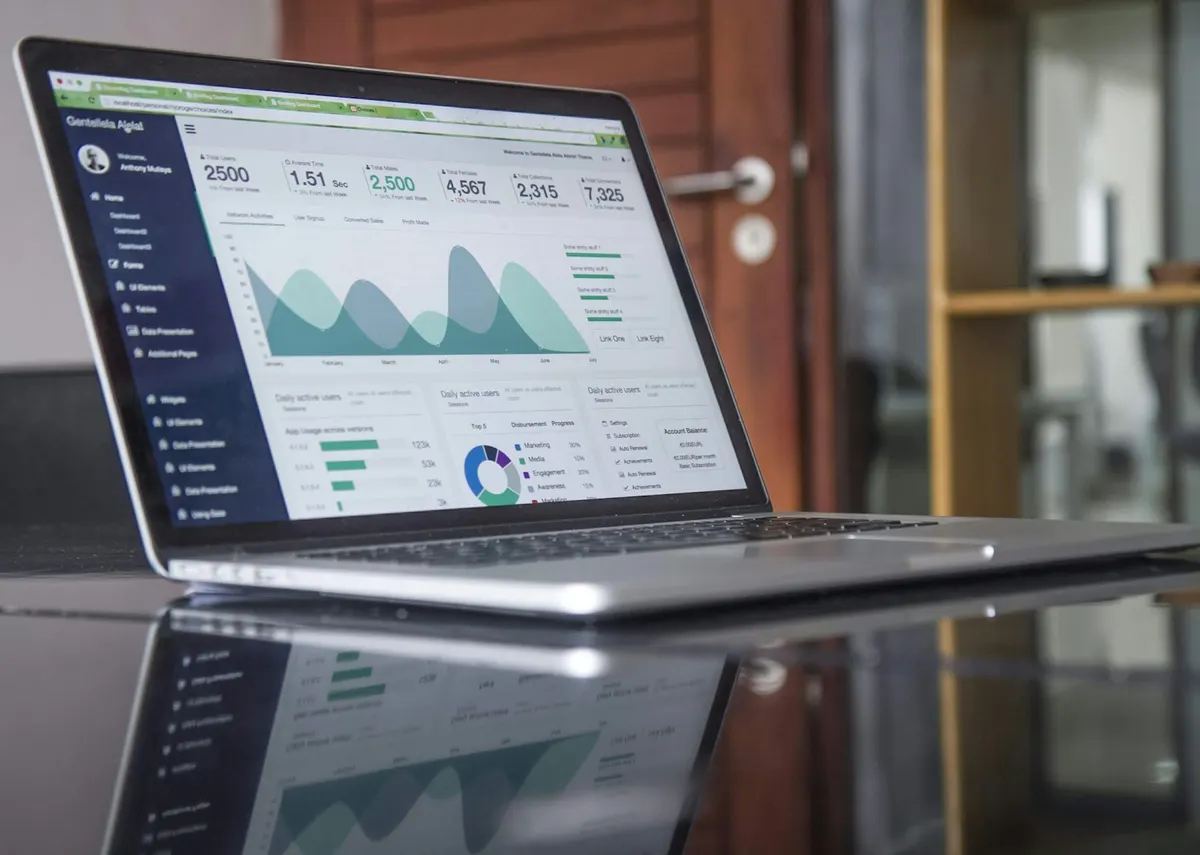
Most self-employed people and shop owners focus on the wrong thing: acquisition. Social media, flyers, Google Ads, opening discounts… Meanwhile, the customers who already walked through the door get nothing special for coming back.
The result is a hamster wheel: you spend to attract, you don’t retain, and you have to spend again to attract once more.
65% of an established business’s sales come from existing customers. Not new ones. Real growth doesn’t come from casting a wider net, but from not letting go of what’s already in it.
What kind of programme works for a small business
Not all loyalty systems are the same, and not all of them suit every type of business. These are the three most effective for local shops:
Points cards
Customers earn points with every purchase and redeem them for discounts or free products. They work especially well for businesses with a low average spend and frequent purchases: cafés, hair salons, corner shops, bakeries.
The key is making the reward achievable within a few weeks, not months. If customers feel it’s too far away, they lose interest.
Stamp cards
The simplest format: after X purchases, the next one is free or discounted. Customers understand it instantly, no explanation needed. Ideal for restaurants, bars and shops selling everyday products.
Giveaways among active customers
Build excitement with no fixed cost: every purchase earns an entry into a monthly draw. Giveaways drive extra visits before the period closes, right when customers remember they have entries piling up.
The obstacle nobody talks about
If you’ve ever thought about setting up a loyalty programme, you’ve probably hit the same wall: logistics.
Paper cards get lost. Customers turn up without their card and you have to decide whether to trust them with the stamps. The cashier has to remember to stamp. And when the card fills up, the customer asks for another and the cycle starts again with all the friction that comes with it.
The result is that many businesses try, get frustrated and give up.
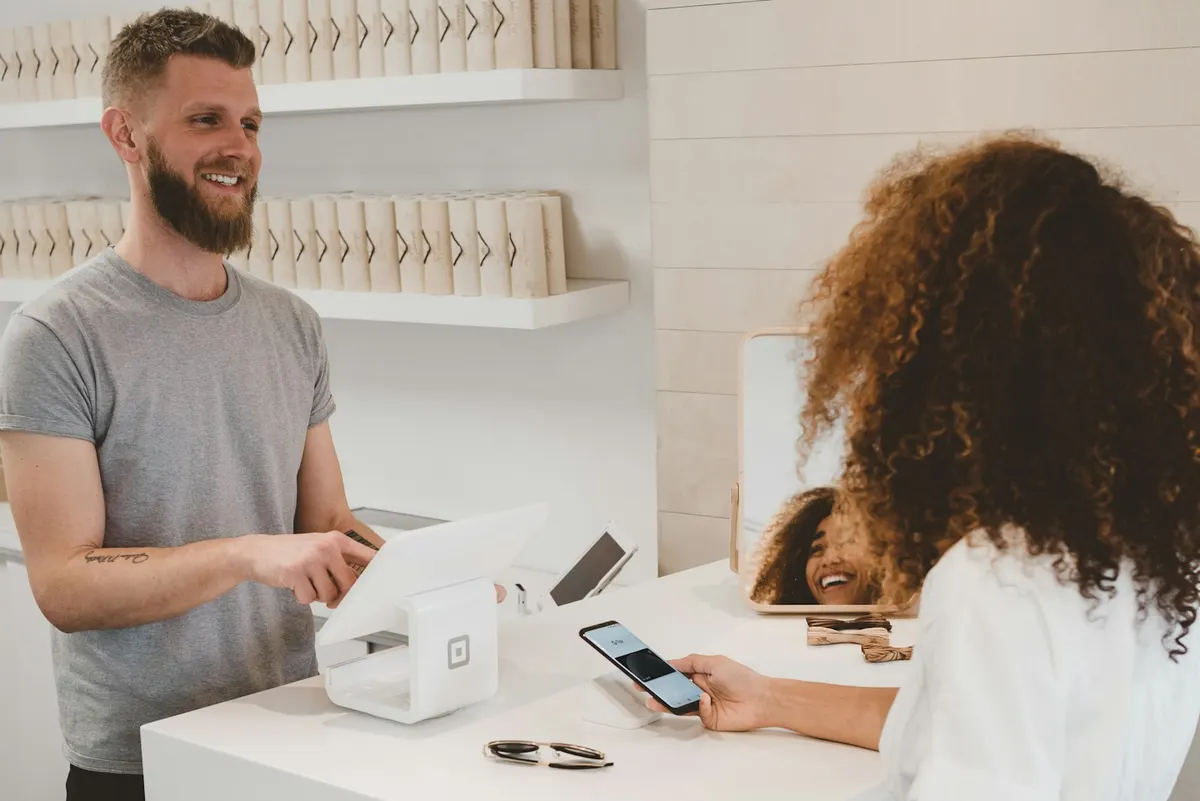
The digital alternative removes all of those problems: customers carry the programme on their phone, points add up automatically and the business sees in real time how many customers take part, how often they return and which rewards are redeemed most.
With Socios Fidelity App, any business can create its points, stamps or giveaway programme from a phone in under 10 minutes, for €5.99 a month. No extra hardware, no technical knowledge. Customers join by scanning a QR code on your counter, and from then on everything runs itself.
Three tips to make your programme work from month one
1. Make it visible. A programme nobody knows about builds no loyalty. Mention it at the till, put it in the window, share it on social media. The QR code needs to be somewhere customers can see it while they wait.
2. Choose a reward that matters. It doesn’t have to be expensive, but it does have to be relevant. A free drink, 10% off, a sample product… something customers receive and think: “it’s worth coming back”.
3. Review the data every month. How many active customers you have, how often they return, how many redeemed their reward. Those numbers tell you whether the programme is working — and what to tweak if it isn’t. A paper card would never give you that information.
Loyalty isn’t an extra: it’s the strategy
In a market where customers have endless options and switching costs them zero effort, loyalty stops being a “nice to have” and becomes a competitive necessity.
Big retailers have been doing this for decades. Supermarket chains, airlines, fashion brands… they all invest in retention because they know that’s where the real margin is.
Today, thanks to tools designed for local businesses, a sole trader with a single shop can access exactly the same kind of programme. No upfront investment, no technical hassle, for less than the cost of a daily coffee.
The customer who comes back is your business’s most valuable asset. The question is whether you’re giving them a reason to.